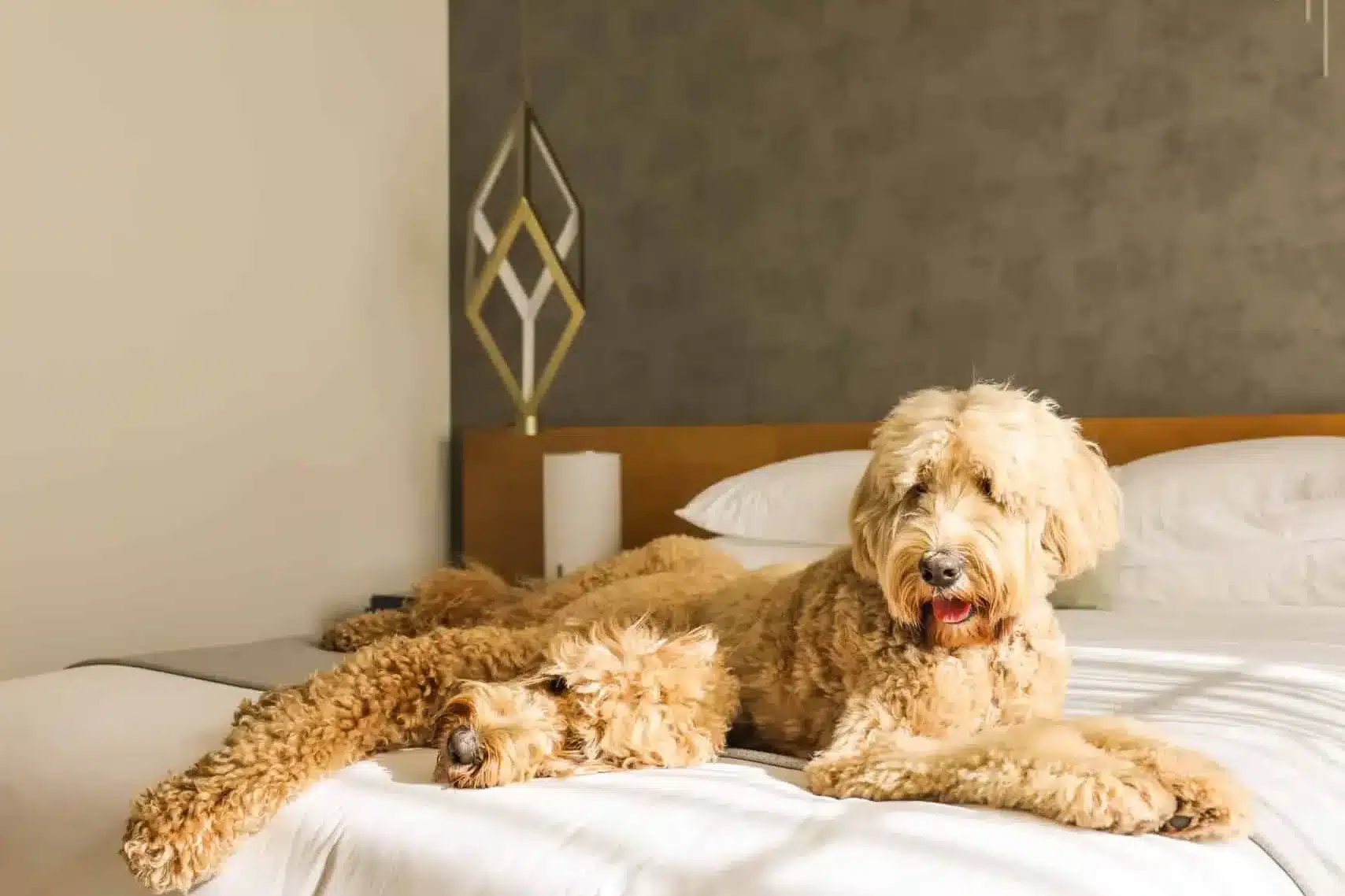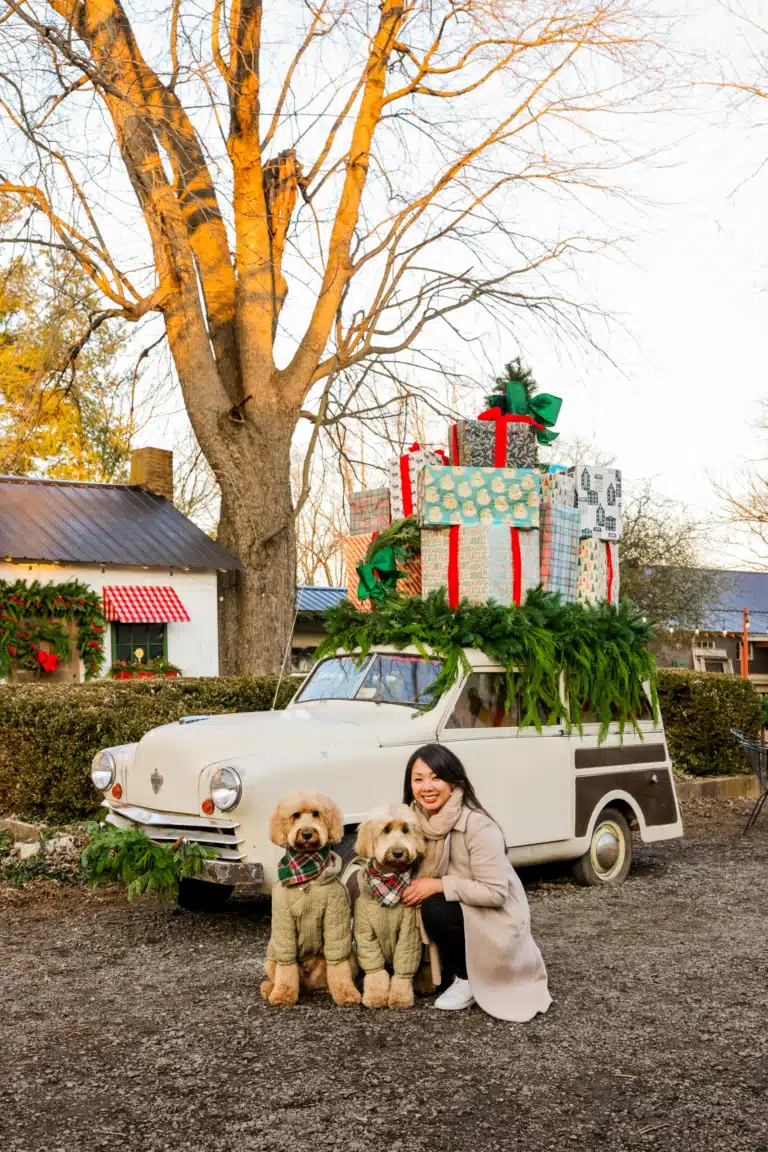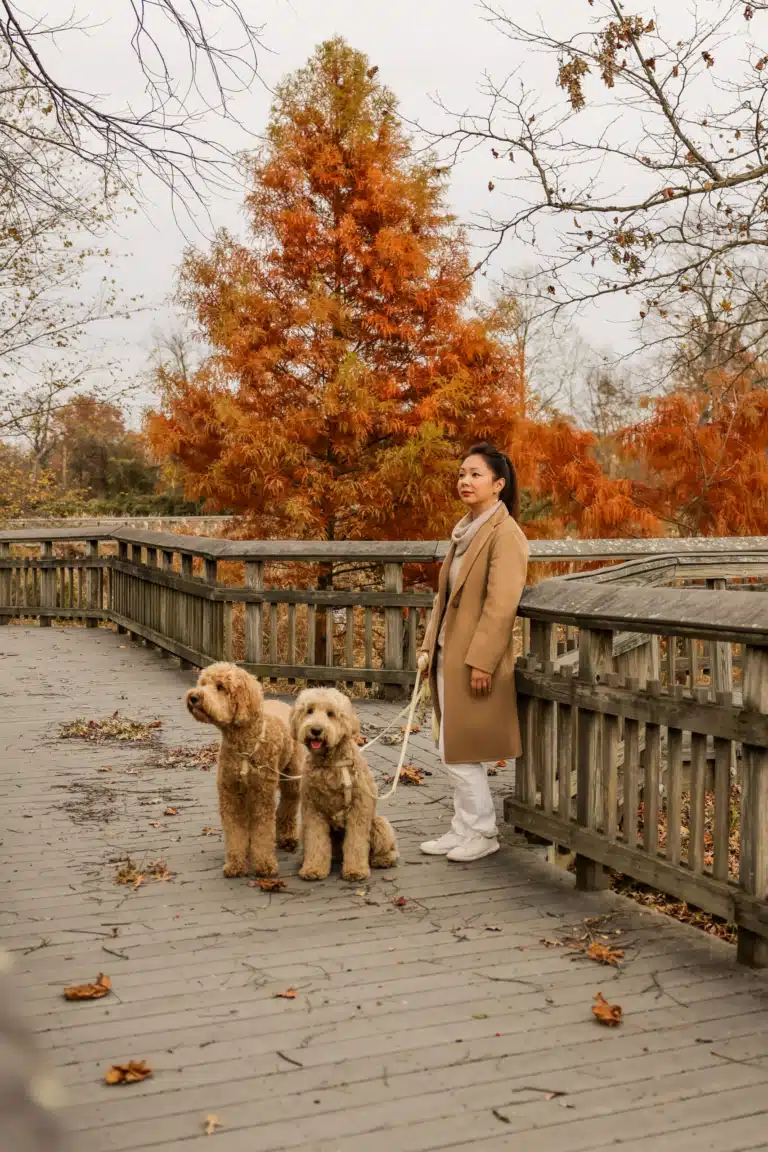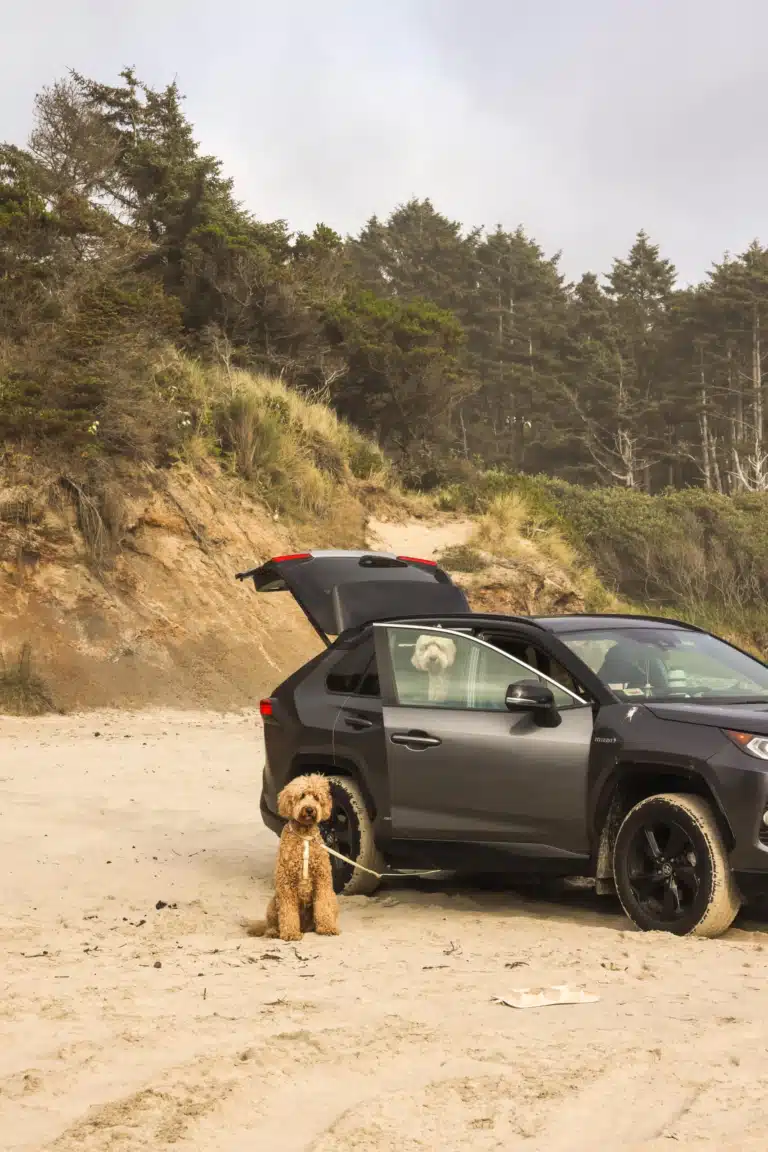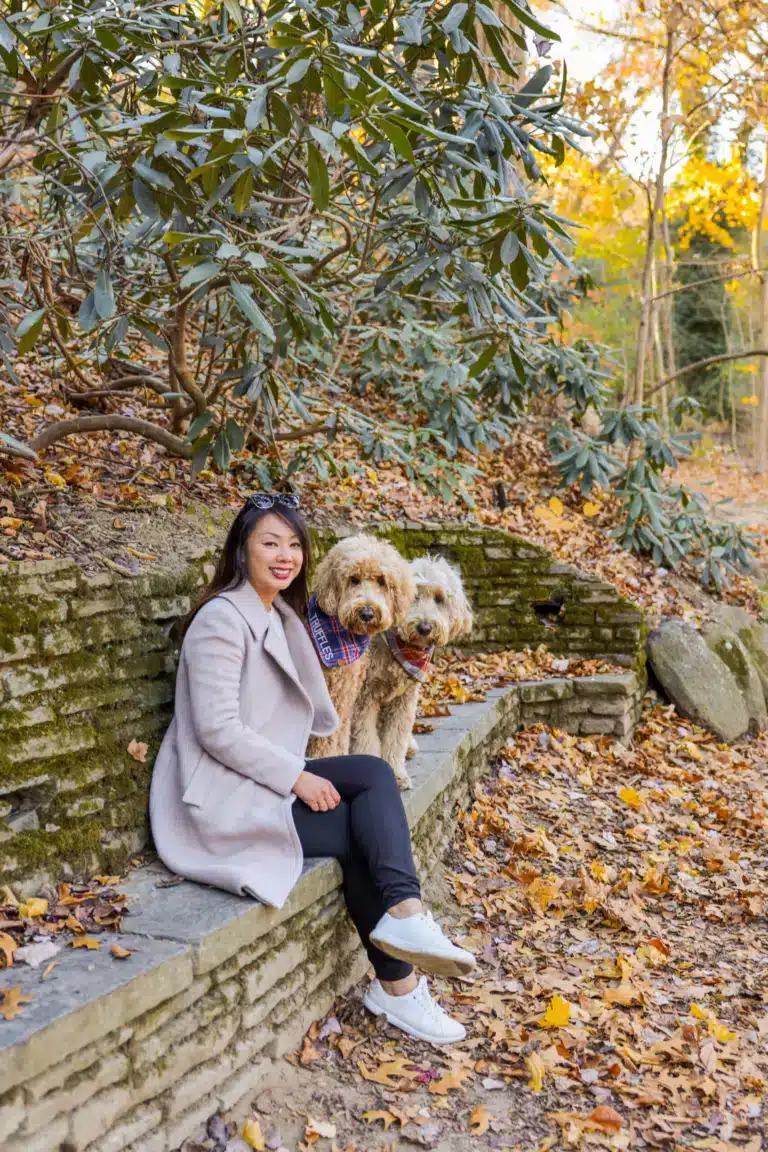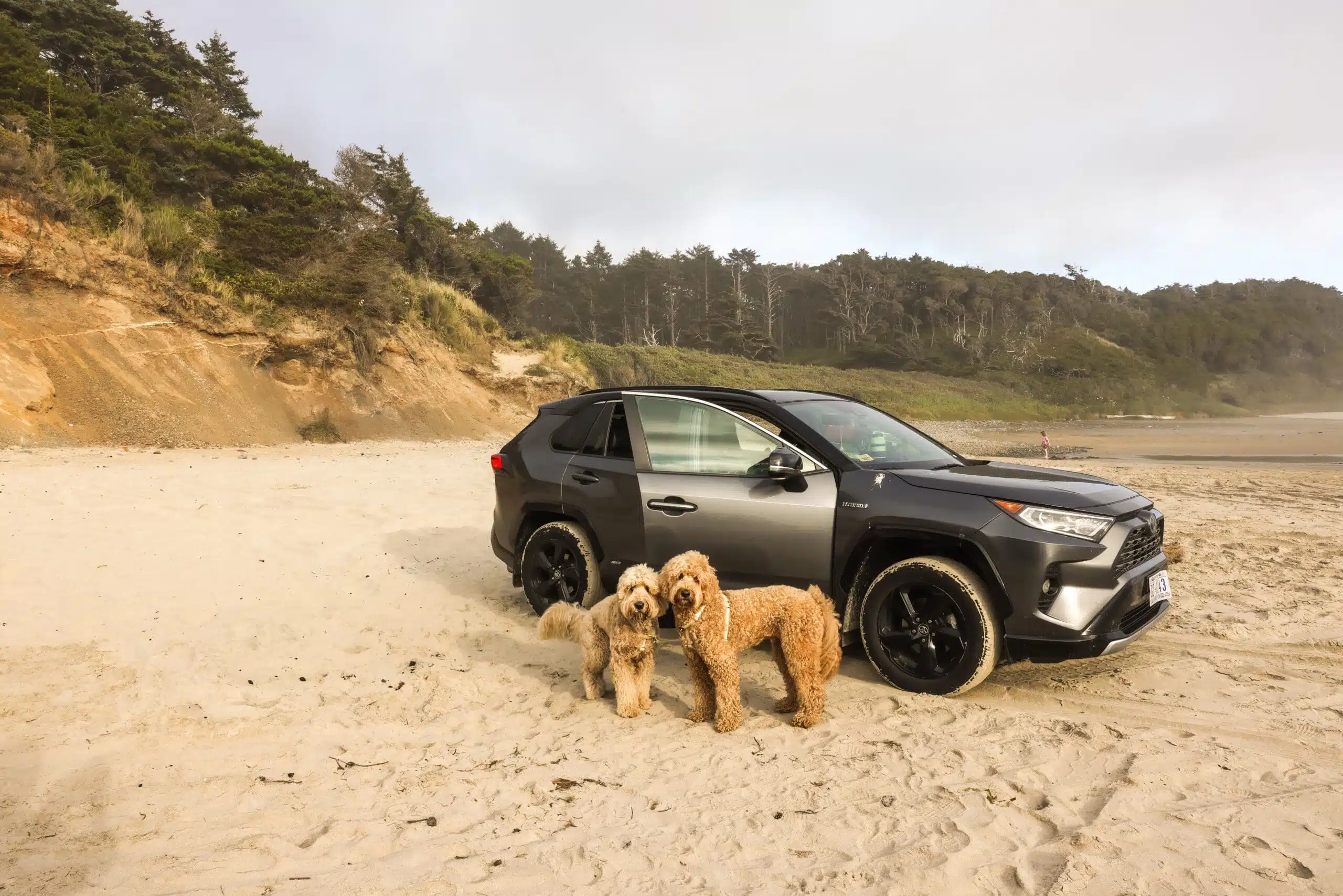
Traveling well with dogs is about more than planning routes or packing checklists. It begins long before the first trip — in the daily moments that build trust, communication, and connection.
Before we ever brought Truffles (and later Chai) home, we started training. But the training wasn’t really for them — it was for us. We wanted to understand how dogs learn, how they communicate, and how our own energy shapes their behavior. Because so often, what we see in our dogs is a reflection of what we’re projecting.
Training as a Language, Not a Checklist
We did as much research and adjusting as we could before they ever set paw in our home. Understanding the why behind behaviors helped us adapt to them instead of just expecting them to adapt to us. That mindset has become the foundation for every trip we’ve taken since.
At home, we used an online training program called Baxter & Bella — not as a one-time course, but as an ongoing way to strengthen mutual understanding. It gave us tools to communicate more clearly, to set boundaries with kindness, and to build the kind of trust that makes travel smoother and less stressful for everyone.
As often as Truffles and Chai are complimented by strangers for their calm demeanor, they’re not perfect — and neither are we. Every day is different, just like it is for humans. Some days they’re focused and confident; other days, a squirrel or strange sound might throw everything off. The important thing is that we keep working on it, together.
Socialization as Early Travel Prep
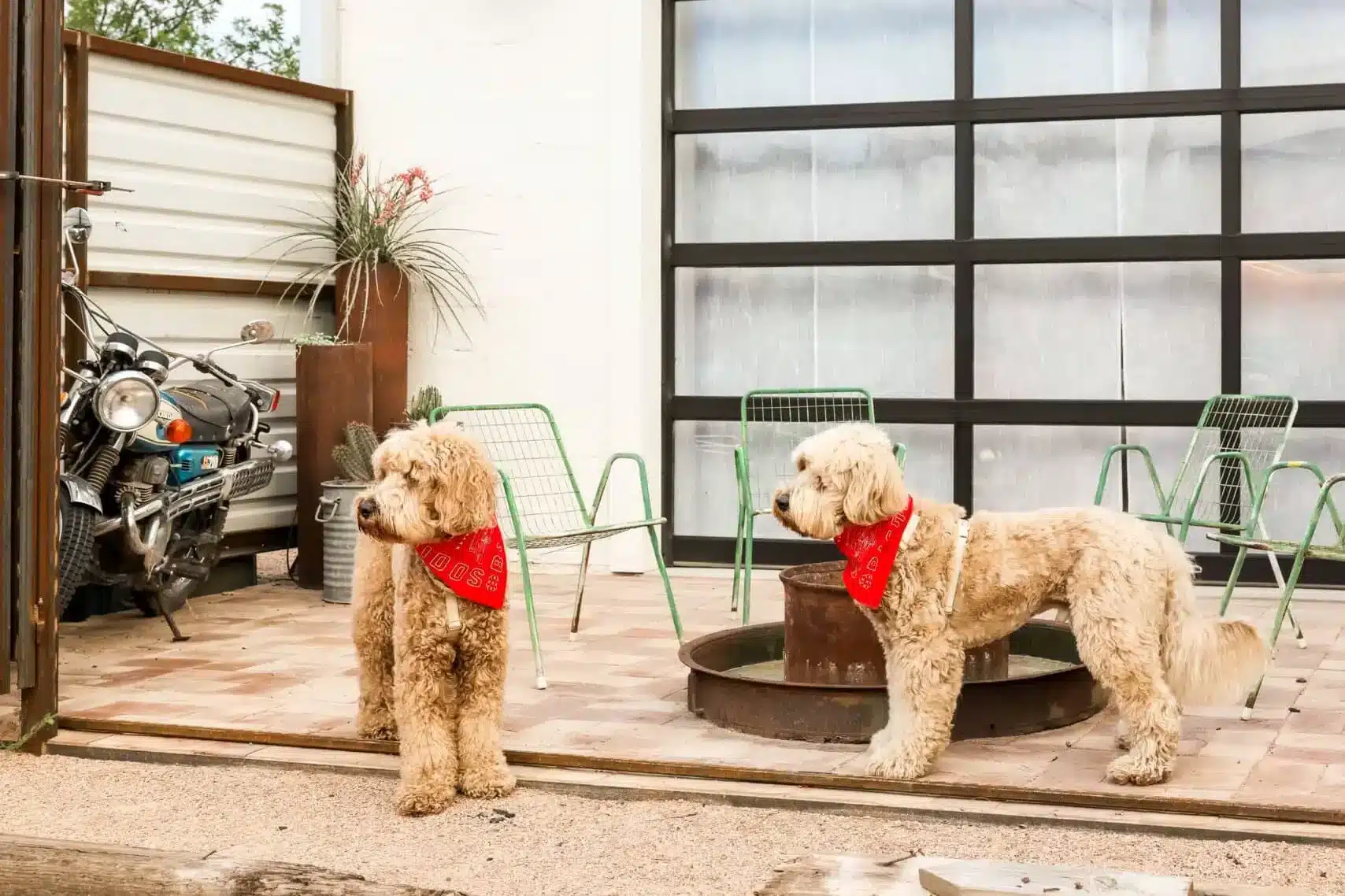
We started socialization early, introducing new sights, sounds, and settings one step at a time — busy streets, outdoor cafés, gentle hikes, short car rides. Each experience became a rehearsal for the road ahead.
Socialization isn’t about exposure for exposure’s sake. It’s about building emotional safety. A well-socialized dog isn’t just obedient in public — they feel comfortable in new environments. That comfort translates directly to travel: calm energy in the car, smooth hotel check-ins, relaxed downtime between adventures.
When we’re on the road, that foundation allows us to move confidently as a team. We read each other’s cues. We know when to slow down and when to explore.
Practical Ways to Travel Well
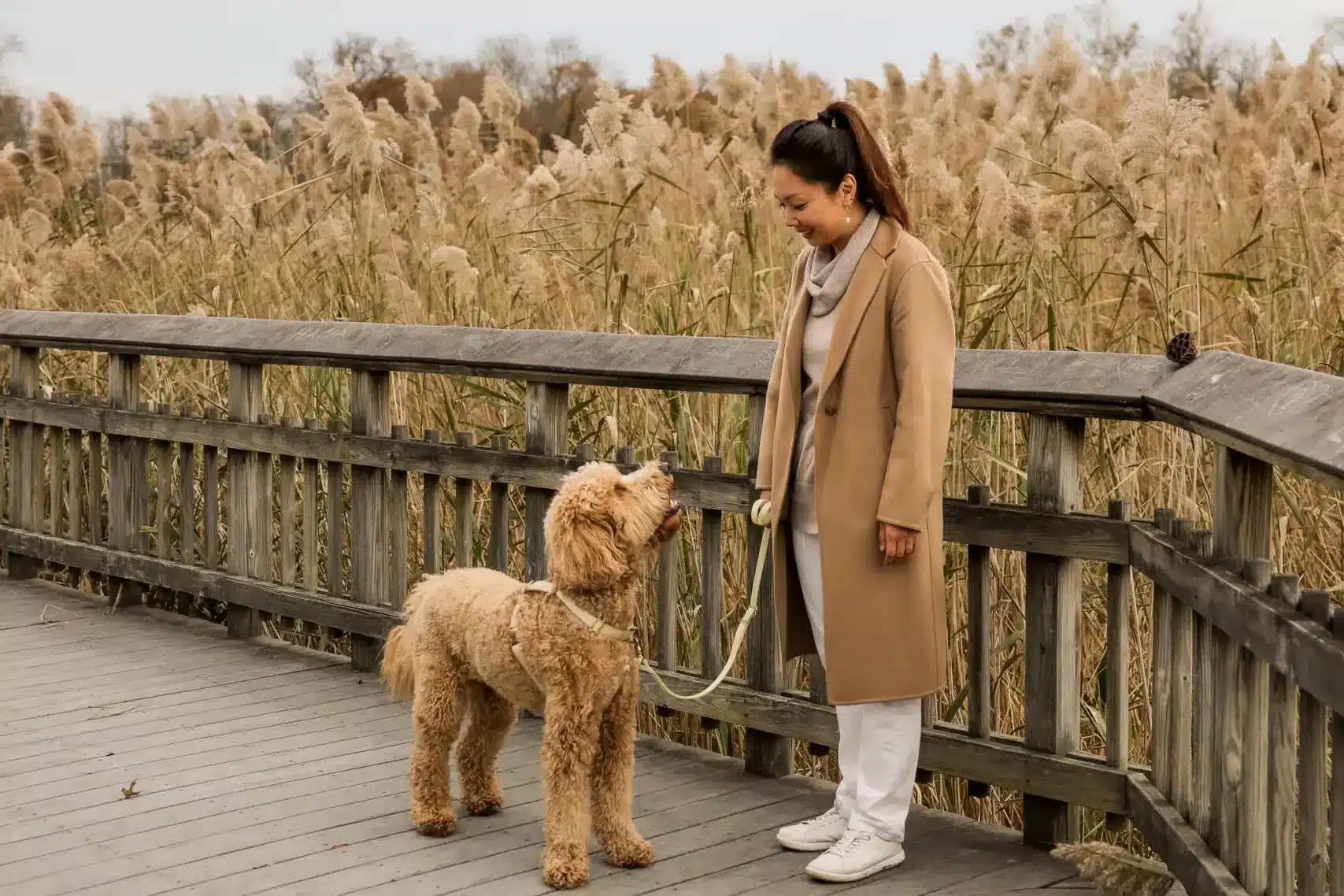
Here are a few simple habits that have made all the difference:
- Start small. Take short drives or day trips before long road adventures.
- Stick to routines. Familiar feeding times and rest patterns help your dog feel secure.
- Prioritize comfort. Bring their bed, favorite toy, or a piece of home to every new place.
- Build in breaks. Plan rest stops and quiet moments to decompress.
- Stay patient. Every new location is full of distractions — progress matters more than perfection.
Travel as Mutual Learning
Traveling with dogs has made us better travelers — and, in many ways, better humans. We plan more thoughtfully, observe more deeply, and respond more calmly. We’ve learned that travel isn’t just about where you go, but how you go together.
When we see Truffles and Chai exploring a new trail or watching waves crash for the first time, we’re reminded that the world is full of firsts — for them and for us. Traveling well means finding the balance between structure and spontaneity, curiosity and calm.
Because when we travel with understanding, trust, and patience, every journey — no matter how big or small — becomes something extraordinary.